31 August 2026
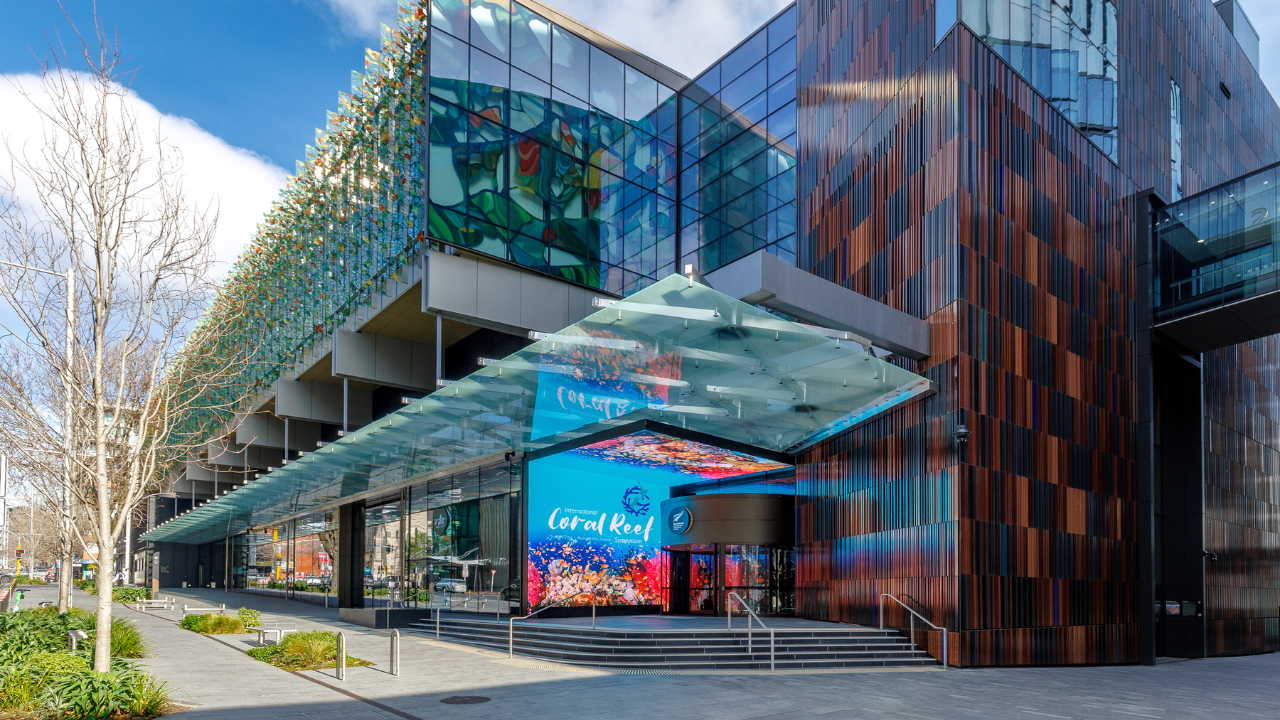
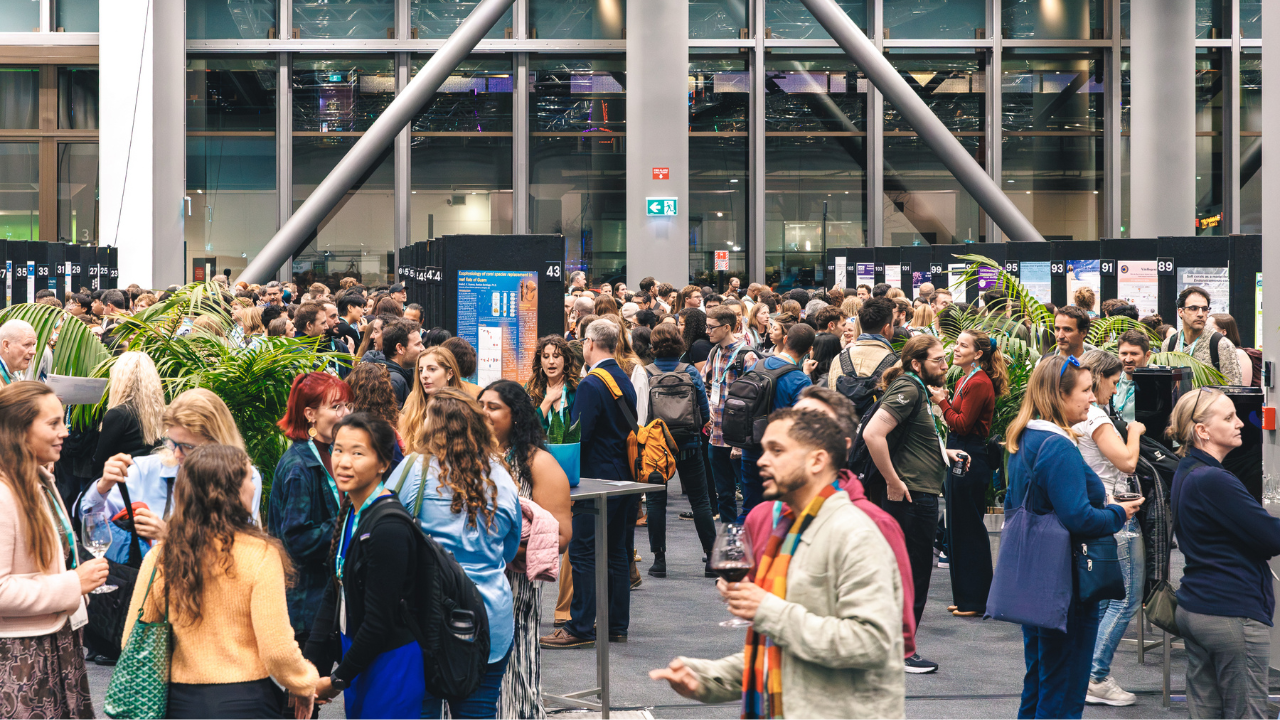
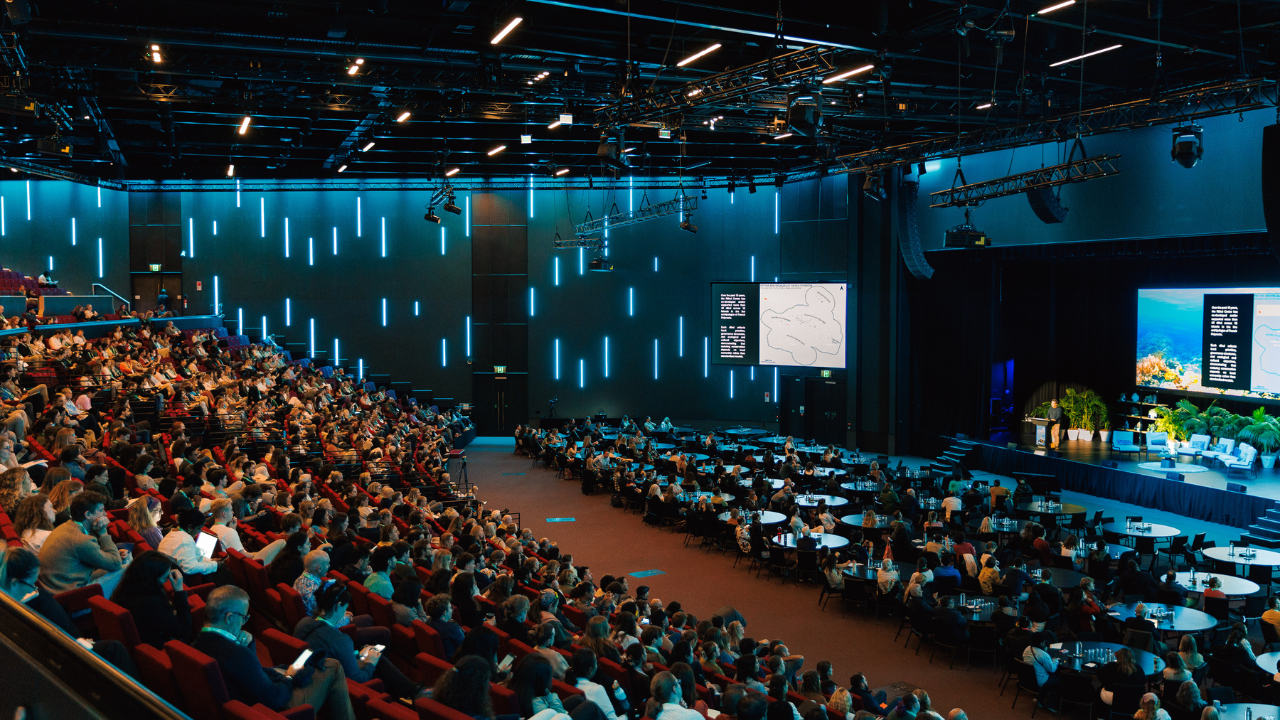
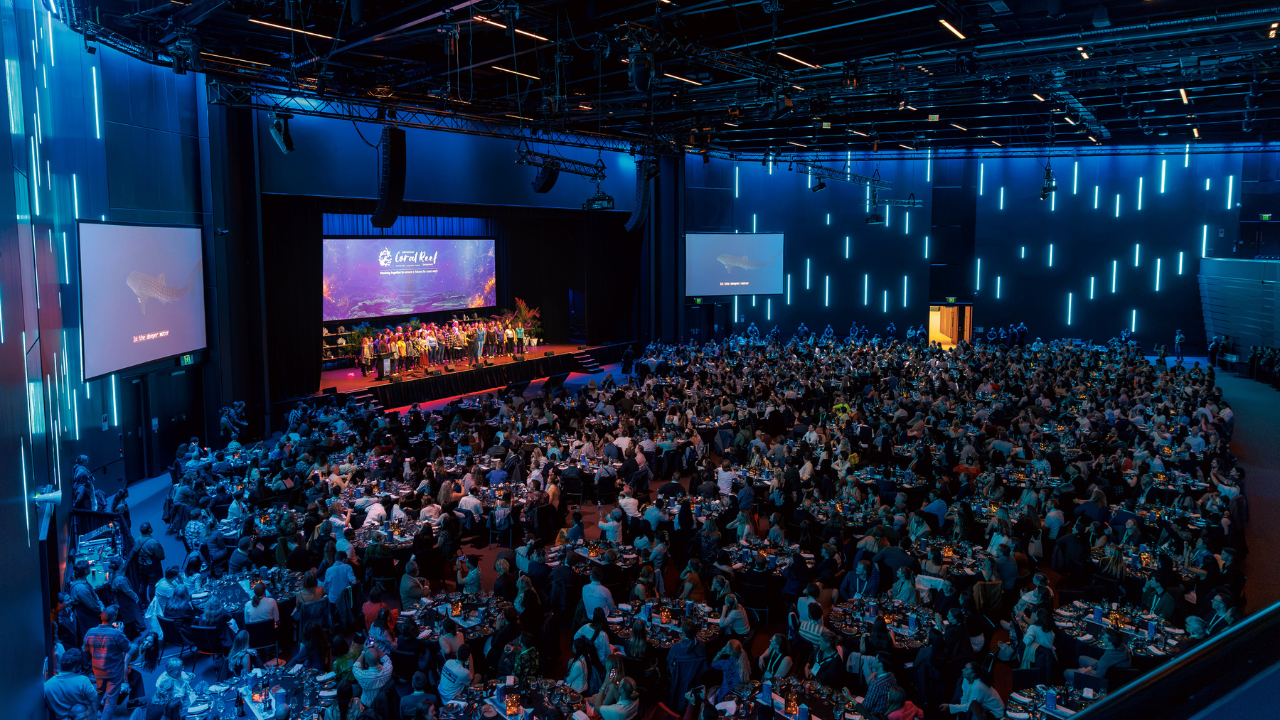
In July 2026, NZICC welcomed the 16th International Coral Reef Symposium (ICRS), bringing together more than 2,100 delegates from 93 countries for one of the world's leading scientific conferences focused on coral reef conservation, climate science and ocean sustainability. As NZICC's first global event, and largest conference to date, the symposium demonstrated the venue's ability to deliver world-class experiences and create economic, social and environmental impact.
The event showcased how the new Auckland convention centre can be more than a venue, providing a platform for global knowledge sharing, collaboration and lasting change.
Bringing Together a Global Scientific Community
The ICRS is recognised as one of the world's premier gatherings for coral reef researchers, climate scientists, policymakers and conservation leaders.
With delegates participating in presentations, discussions, workshops and networking opportunities, the event created a unique platform for exploring solutions to some of the world's most pressing environmental challenges.
Beyond the scientific programme, the symposium fostered collaboration between academia, government, industry and conservation organisations, helping generate conversations that will continue long after the event.

Finding the Right Auckland Conference Venue
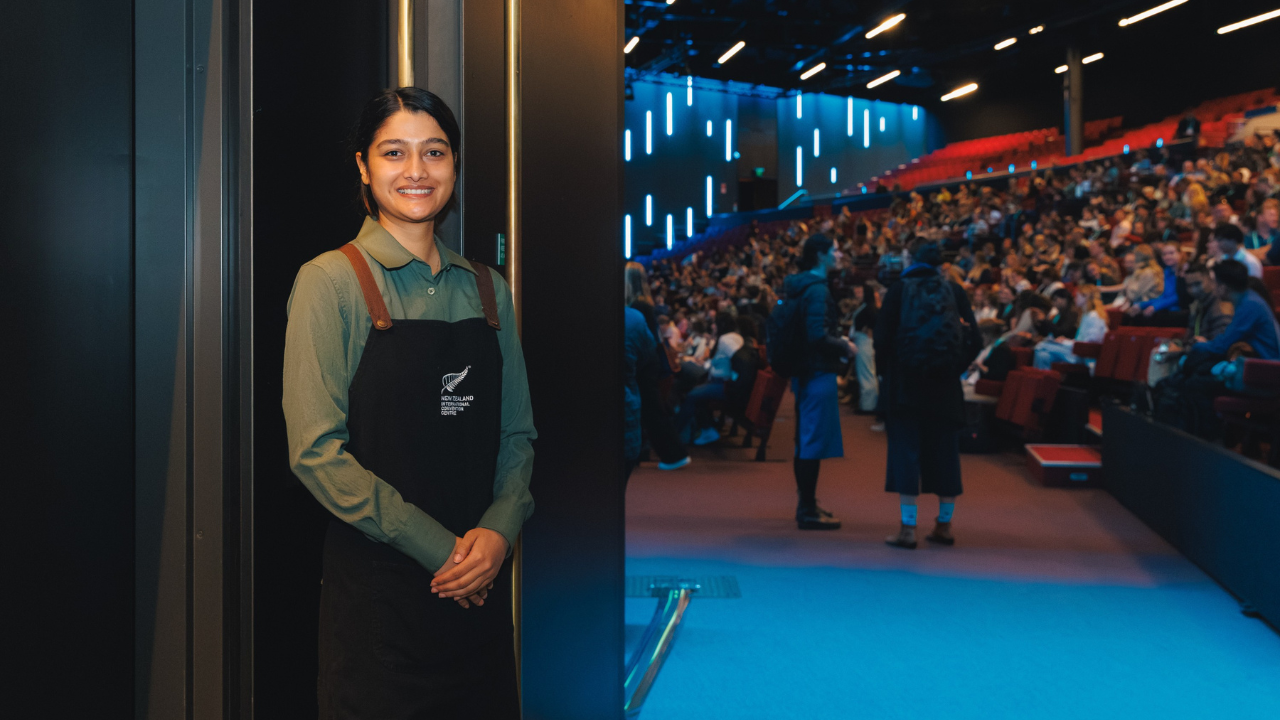
Hosting an event of this scale required a conference venue capable of accommodating multiple concurrent sessions while providing a consistent and seamless delegate experience.
NZICC's flexible design, operational capability and adaptable meeting spaces enabled organisers to deliver a complex programme of diverse requirements across multiple streams. The venue's integrated facilities and collaborative support team helped ensure every aspect of the symposium could be delivered within a single location.
For organisations planning large-scale conferences in Auckland, this ability to host all event components within a single convention centre offers significant advantages in logistics, delegate engagement and event delivery.
A Collaborative Partnership from Bid to Delivery
A recurring theme throughout the symposium was the strength of the partnership between organisers and the NZICC team.
Auckland Convention Bureau and Tourism New Zealand also played a role in bringing ICRS to Tāmaki Makaurau Auckland, supporting the bid to secure the symposium for the region and working alongside event partners in the lead-up to the conference.
Terri Lowsley, Director at Conference Innovators, praised the collaborative approach that supported the delivery of the event:
"Hosting 2,100 delegates from 93 countries was a huge undertaking, and I can honestly say the support we received from everyone at NZICC was exceptional."
“It truly felt like we were one team working towards the same goal, and I couldn't have asked for better partners."
This partnership-driven approach helped ensure the symposium delivered a positive experience for everyone involved.
Technical Excellence Supporting a Complex Global Event
Delivering a conference of this size required robust event infrastructure and reliable technical capabilities.
Dr Stacy Jupiter, Executive Director of the Global Marine Program at the Wildlife Conservation Society and Co-Chair of ICRS 2026, described NZICC as: "World class, fully equipped to welcome all our delegates from around the globe.” She also highlighted the venue team's delivery across catering, audiovisual services and technology support, helping ensure a high-quality experience across every aspect of the programme.
Showcasing Aotearoa New Zealand to the World
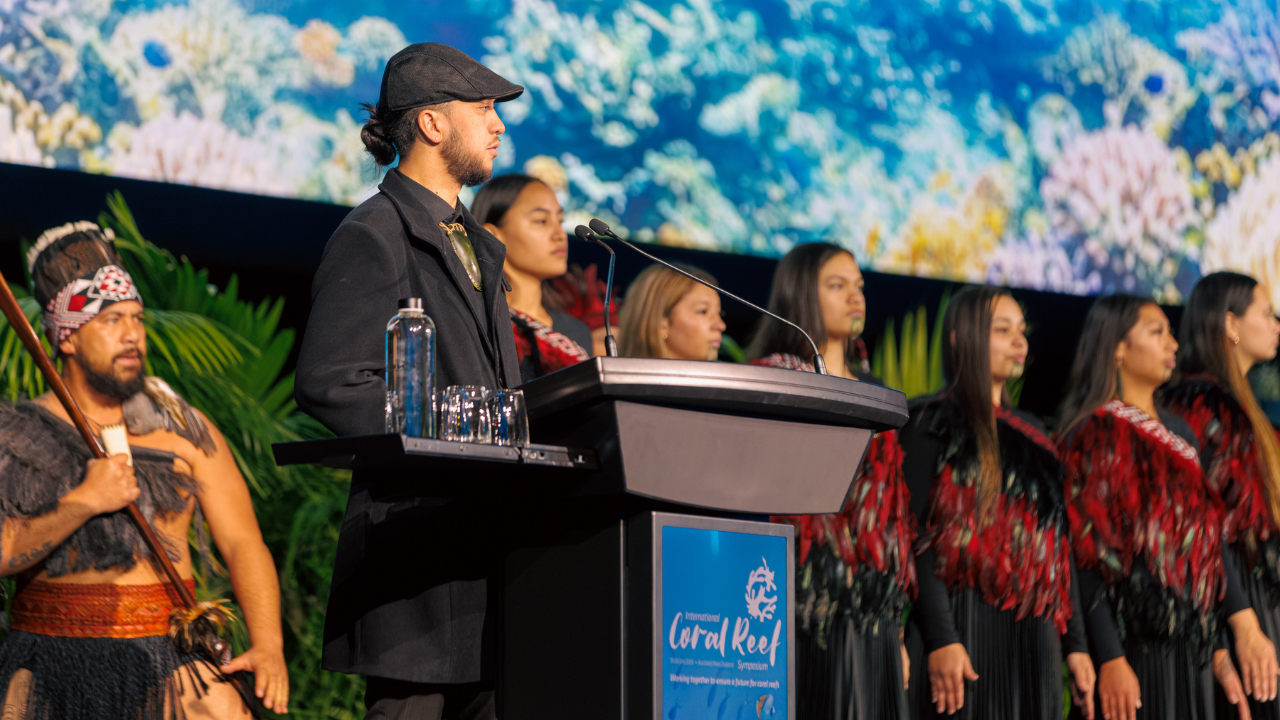
While the symposium focused on global environmental issues, it also provided an important opportunity to showcase Aotearoa New Zealand's culture.
From Māori artwork integrated throughout the venue to the pōwhiri (welcome) delivered in partnership with local iwi (tribe), Ngāti Whātua Ōrākei, NZICC created an experience that authentically connected delegates to Tāmaki Makaurau Auckland and Aotearoa New Zealand.
Tourism New Zealand's General Manager, Bjoern Spreitzer highlighted the unique perspective New Zealand brings to international conferences through te ao Māori (the world view of Māori), and manaakitanga (warm hospitality), creating an experience different from other destinations around the world.
Dr Jupiter specifically acknowledged the role of local iwi and the pōwhiri in helping international delegates experience New Zealand’s Māori culture firsthand.
Culinary Experiences That Reflect Aotearoa
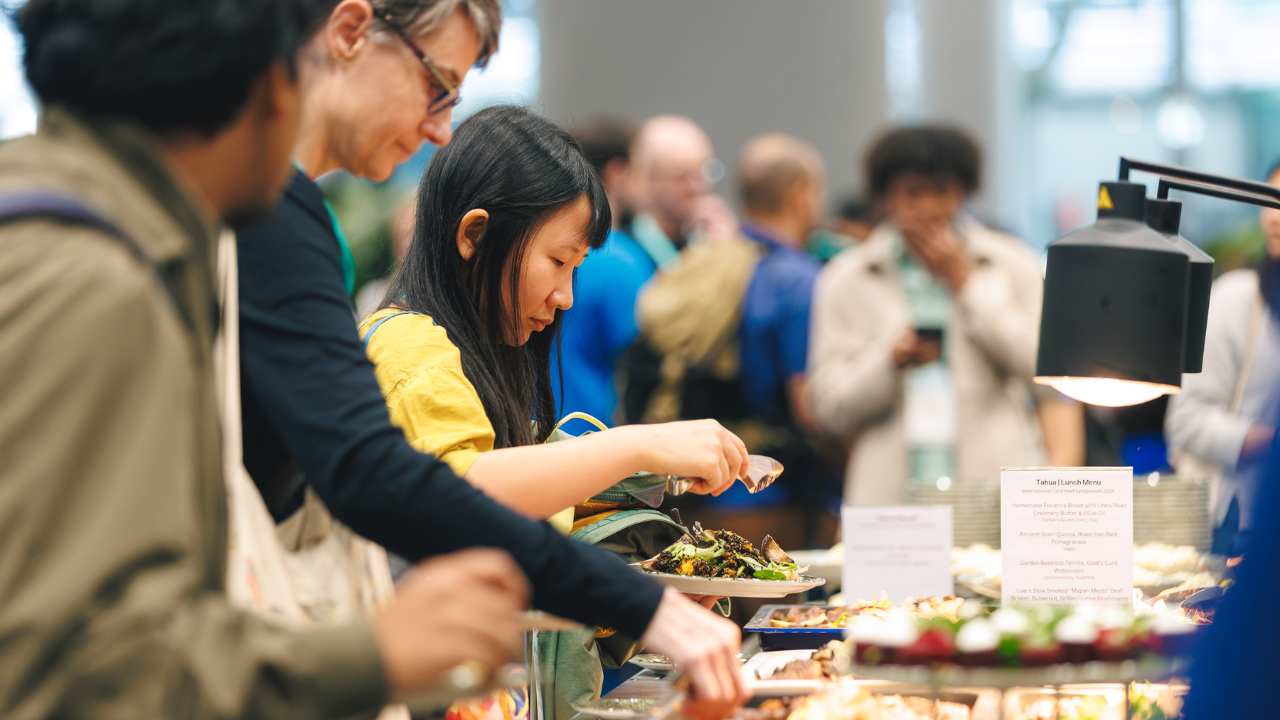
Food and beverage experiences also formed an important part of the delegate journey. NZICC showcased locally sourced produce, helping tell the story of Aotearoa through cuisine. By featuring regional ingredients and products, the venue transformed conference catering into an authentic destination experience while generating conversation around New Zealand's food and sustainability credentials.
Creating Economic Impact Through Conferences in Auckland
The symposium generated an estimated $7 million in direct economic impact, delivering significant benefits for Auckland's hospitality, accommodation and tourism sectors.
Bjoern Spreitzer noted conferences also provide value beyond direct visitor spend: "It's the knowledge transfer that the conference brings into New Zealand. We've got experts from all around the world. They're really grappling with the big questions."
NZICC’s General Manager, Prue Daly also recognised some of the greatest impacts come from the conversations and connections that occur during conferences, bringing together researchers, governments, industry and associations to address important global challenges.
Delivering Benefits Beyond Auckland
According to Tourism New Zealand, many delegates travelled throughout the country before and after the event, spreading the economic benefits into regional communities and tourism destinations.
Supporting Auckland's Off-Peak Visitor Economy
Held during New Zealand's winter season, the symposium demonstrated the important role business events play in activating during quieter periods. As Gemma Wood, Head of Sales at Auckland Convention Bureau observed: "Our cafes, our restaurants, our visitor experiences, our arts and entertainment centres in Tāmaki Makaurau, they're all humming."
A Legacy Beyond the Conference
While the symposium was a major operational success, its legacy also extends beyond the event.
ICRS created opportunities for future collaborations, research partnerships and policy discussions that may influence ocean conservation efforts for years to come. The symposium provided valuable opportunities for students and early-career researchers, helping improve access to knowledge, expertise and international networks.
Why Auckland and NZICC Were the Right Choice
The symposium reinforced Auckland's position as a strategic destination for international association conferences.
Bjoern Spreitzer describes Auckland as a natural Pacific hub, connecting delegates from Asia, Oceania, the Pacific and the Americas. Combined with New Zealand's reputation as a safe, welcoming destination and NZICC's world-class facilities, Auckland provides an attractive option for organisations planning international events.
For organisers seeking an Auckland conference venue, NZICC offers:
- Premium conference facilities within a purpose-built convention centre.
- Flexible meeting spaces and venue infrastructure for conferences and events of all sizes.
- Collaborative partnership throughout planning and delivery and strong technical and operational support.
- Strong partnerships with Tourism New Zealand and Auckland Convention Bureau.
- Authentic cultural experiences that reflect Aotearoa New Zealand.
- Proven capability hosting large-scale international conferences.
The strongest endorsement came from Dr Jupiter. "I have heard only positive feedback so far, with many of the delegates declaring that it is the best ICRS that they have ever attended."
Watch How It Came to Life
Tāpuia tō kaupapa | Book your event at NZICC
Make Tāmaki Makaurau Auckland your next conference destination. Explore NZICC's flexible, adaptable and world-class spaces.
Learn more